Maps
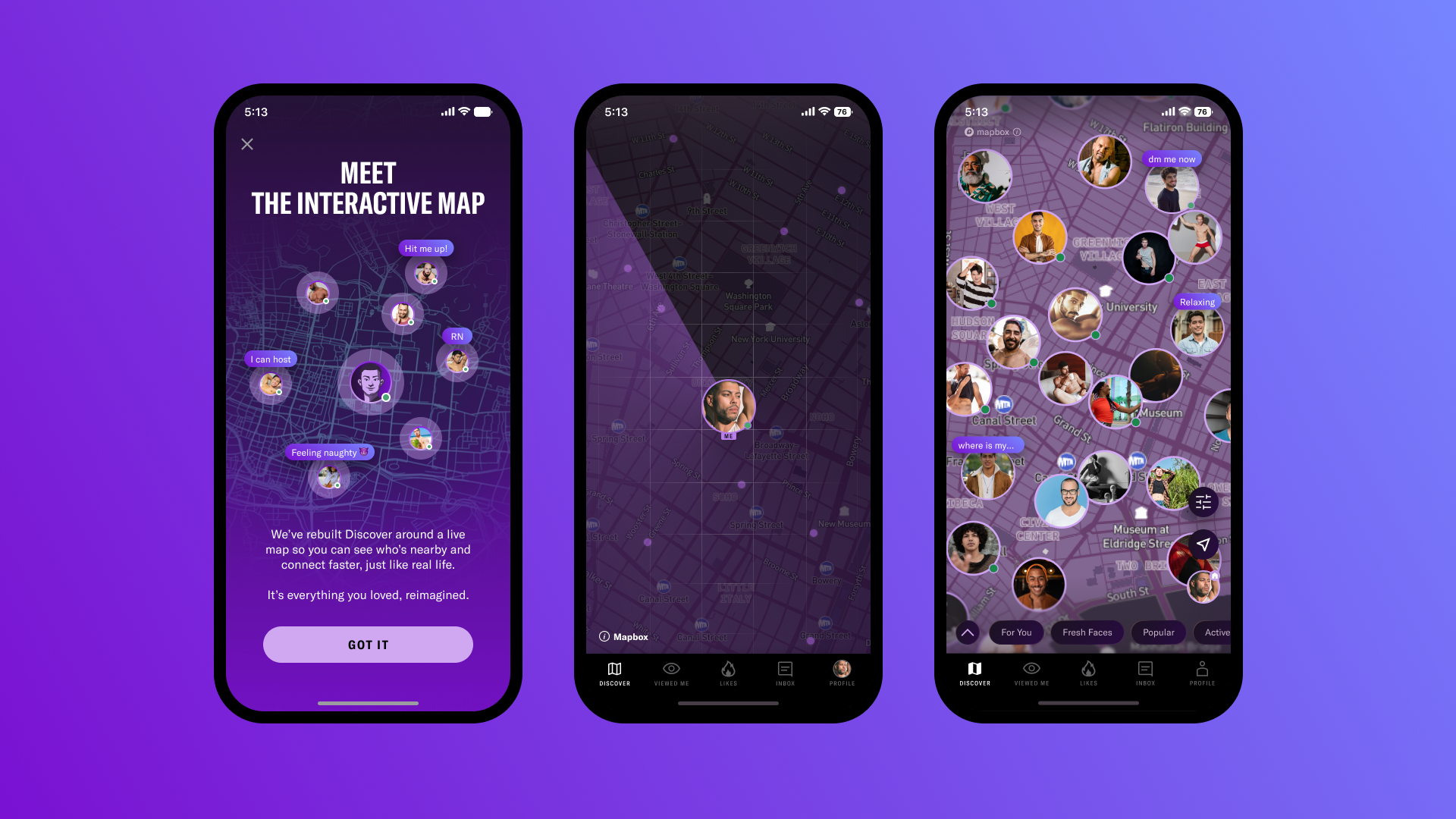
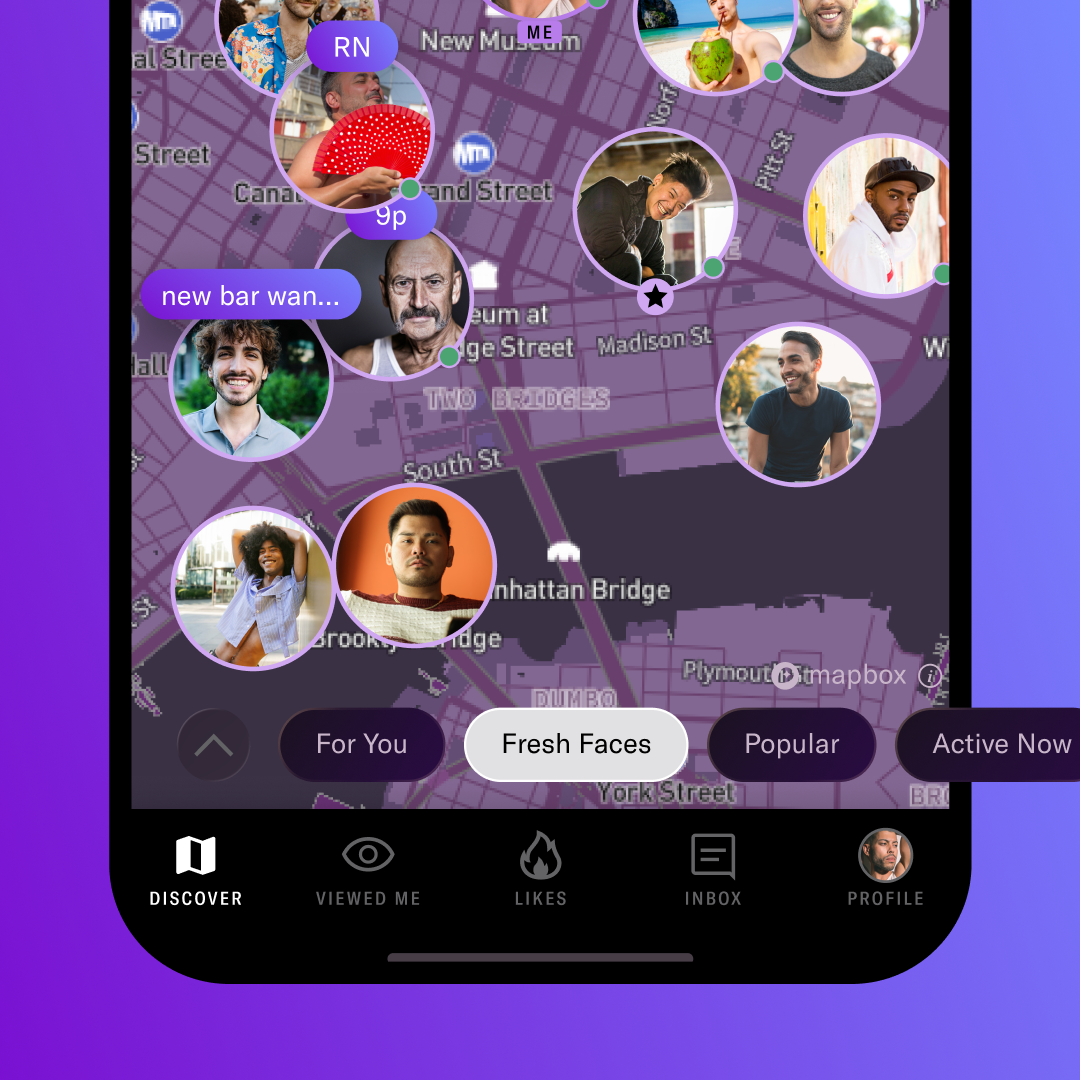
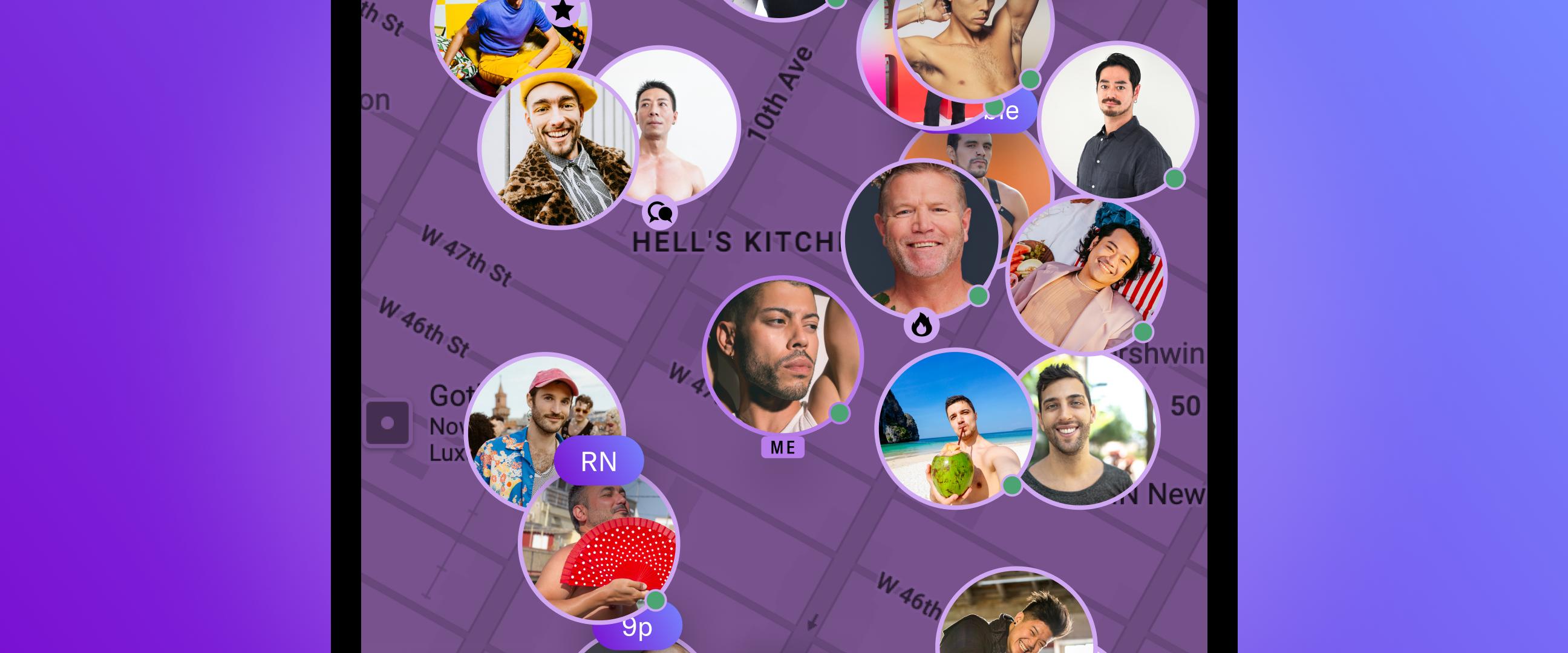
For gay men, connection is driven by proximity, immediacy, and fluid intent — not a slow, linear funnel. Maps reflect that reality by showing who's around right now, while Spark Modes and Focus Flow guide users toward the right type of connection without slowing them down. Together, they turn browsing into fast, intentional discovery that matches how this audience actually meets.
Context
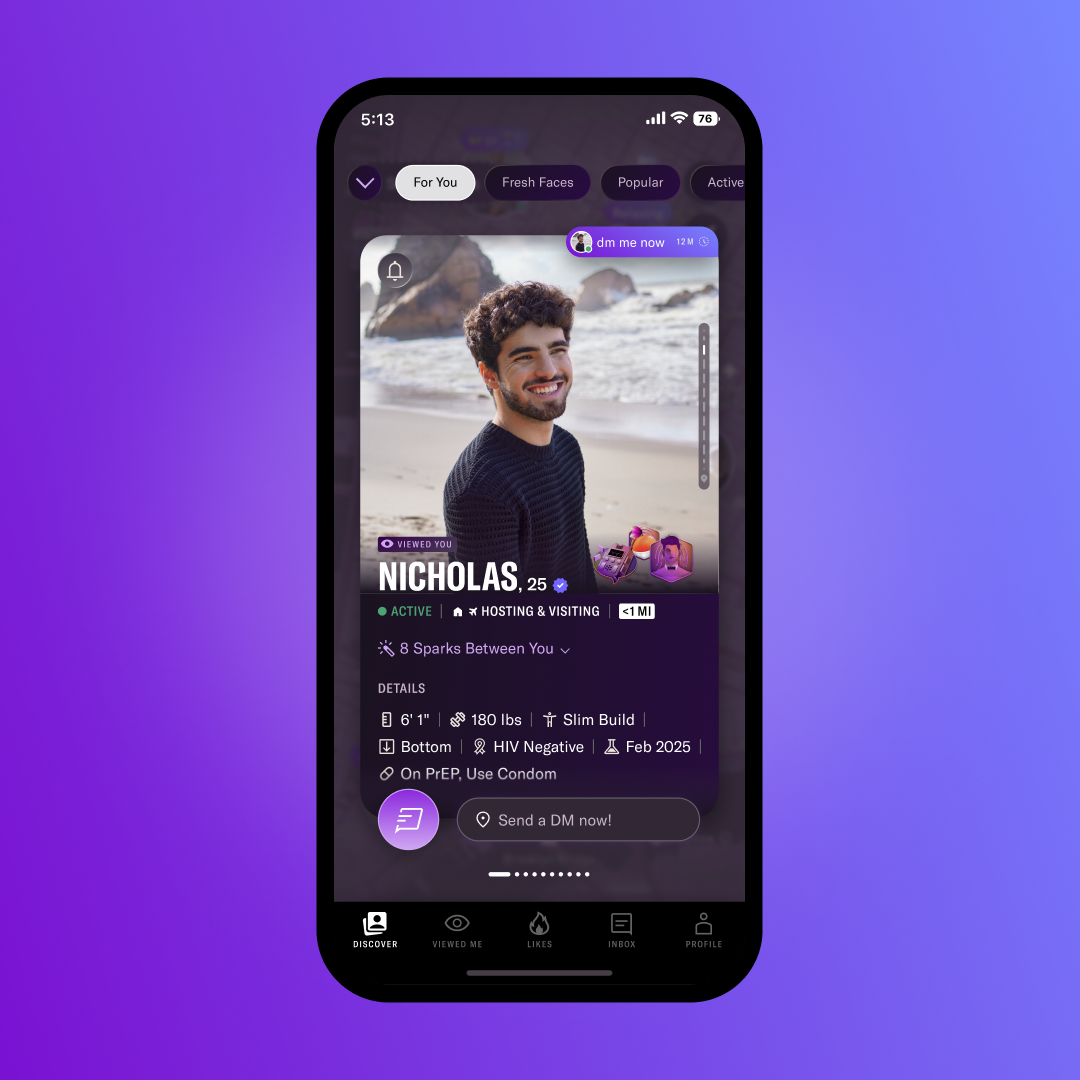
Archer recently introduced an intention-based discovery experience to help users find connections with shared goals. We've also enhanced profile depth with categorized tags and Trophies that visualize user interests, intentions, and behaviors.
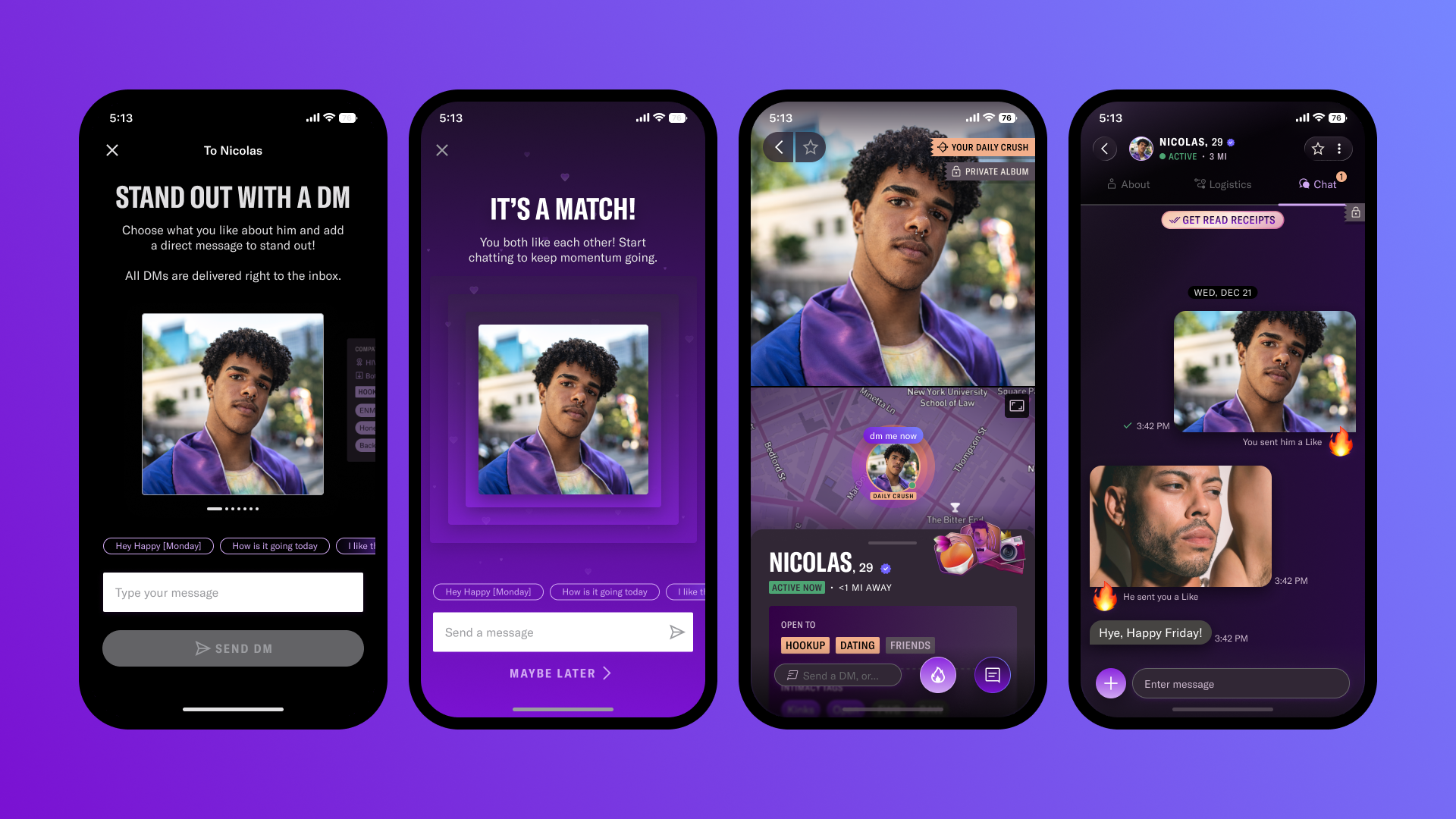
While these updates enrich understanding once users engage with a profile, the discovery flow itself remains rooted in a traditional vote-based experience — a linear flow that can feel repetitive and cognitively tiring.
We've previously experimented with non-linear browsing, such as our grid-based discovery model. We learned that while open discovery increased user autonomy, it also led to lower overall engagement without sufficient contextual guidance.
These insights highlight a persistent tension: users want freedom to explore but still need structure to find meaningful connections efficiently.
Problem
Both the vote-based and grid-based discovery models reveal fundamental user pain points that limit discovery efficiency and emotional engagement.
Vote-based experience
- Lacks spatial context — distance alone doesn't provide enough context within their surroundings.
- Provides no holistic view of the nearby or relevant user pool.
- Creates decision fatigue — voting feels high-pressure and misaligned with the exploratory relationship norms of the community because of its 'one & done' nature.
Grid-based experience
- Misses temporal context — users feel they see the same grid over time, making it hard to tell how presence changes dynamically.
- Overwhelms users with too many avatars in the same format, reducing differentiation and emotional impact.
- Offers little contextual guidance, leading to aimless browsing and weaker engagement outcomes.
Goal
- Improve the discovery experience to feel intuitive, contextual, and reflective of how users naturally explore spaces and people.
- Formulate the discovery flow with spatial awareness — respecting the factors in how connection and curiosity operate in the community.
Impact
Product Snapshots